Rise of Agentic AI
The Rise of Agentic AI
Agentic AI — Ram N Sangwan
Introduction
Introduction
Agentic AI
Three Waves of AI
Agentic AI vs Generative AI
Core Feature of Agentic AI — Tool Calling
Software Agents and Physical Agents
Agentic Architecture Components
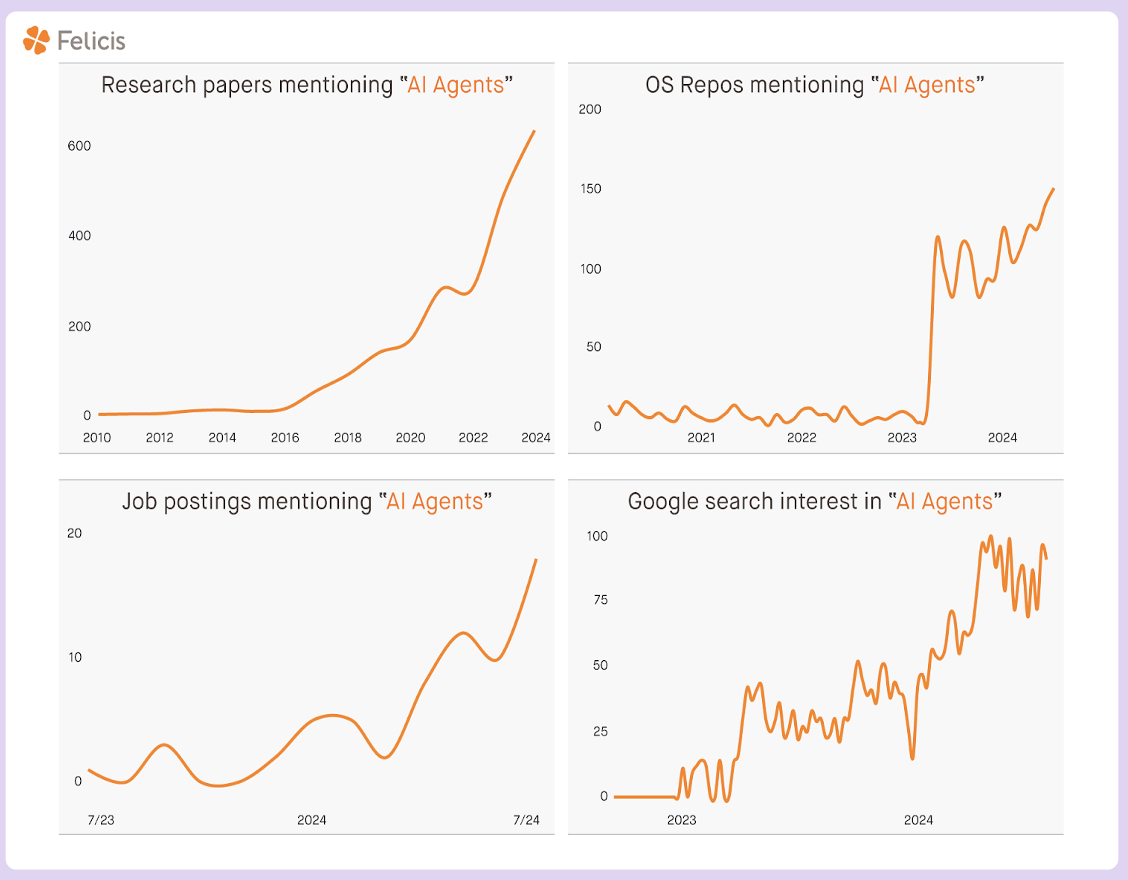
2025 Strategic Technology Trends
- Agentic AI
- AI Governance Platforms
- Disinformation Security
- Post-Quantum Cryptography
- Energy-Efficient Computing
- Neurological Enhancement
- Polyfunctional Robots
- Spatial Computing
- Ambient Invisible Intelligence
- Hybrid Computing
Disinformation Security

Inauthentic content that takes multiple forms.
Post-Quantum Cryptography
Cryptographic algorithms designed to be secure against attacks from both classical and future quantum computers.
Ambient Invisible Intelligence
The seamless integration of AI and the IoT into our environment, making it responsive and personalized without requiring direct user input.
The Rise of AI Agents
The Three Waves of AI
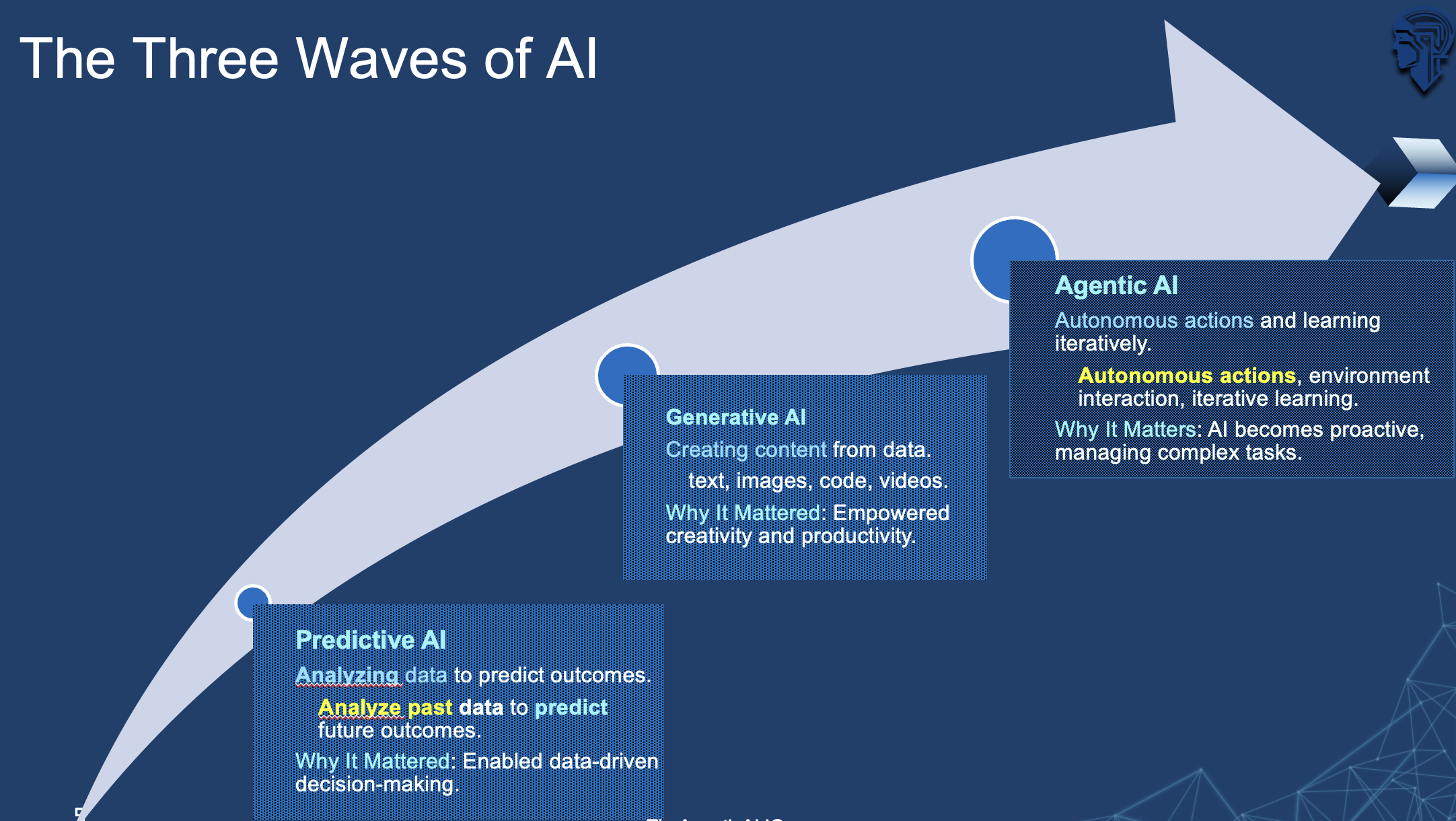
Evolution toward increasingly autonomous systems.
Agentic AI vs Generative AI
Agentic AI |
Generative AI |
| Performs tasks autonomously | Requires human intervention |
| Analyse data to make informed decisions | Can only respond when given a prompt |
| Can tailor its technology to fit end goals | A better option for content creation |
AI Factories
- Just like we generate electricity, we're now going to be generating AI — these generators will be running 24/7.
- This will build a new type of data center — AI factories — to produce a new commodity: artificial intelligence.
- AI factories running continuously to produce outputs such as language processing, image creation, or complex analysis.
- Companies will offer AI capabilities as a utility similar to electricity.
- AI could become ubiquitous and essential, transforming industries and creating new opportunities.
Your Apps Are on Borrowed Time — AI Agents Are on the Way
AI Agents will replace traditional application interfaces in many workflows.
Tool Calling — A Core Feature of Agentic AI
- Enables AI agents to autonomously use external tools or APIs to accomplish tasks beyond their inherent capabilities.
- Enhances problem solving by accessing specialized resources.
- Facilitates dynamic decision making through real-time data retrieval.
- Expands functional scope enabling complex multi-step operations.
- Example: Planning a trip using booking APIs and local data sources.
Financial Projections
AI could add approximately $13 trillion to the global economy by 2030.
Predictions of massive economic expansion driven by AI adoption.
GenAI technologies projected to boost global GDP significantly.
AI investments expected to reach hundreds of billions.
Large infrastructure initiatives accelerating AI deployment.
Agentic AI Definition
Agentic AI is like having a smart system that can think, make decisions, and take actions autonomously.
Software Agents
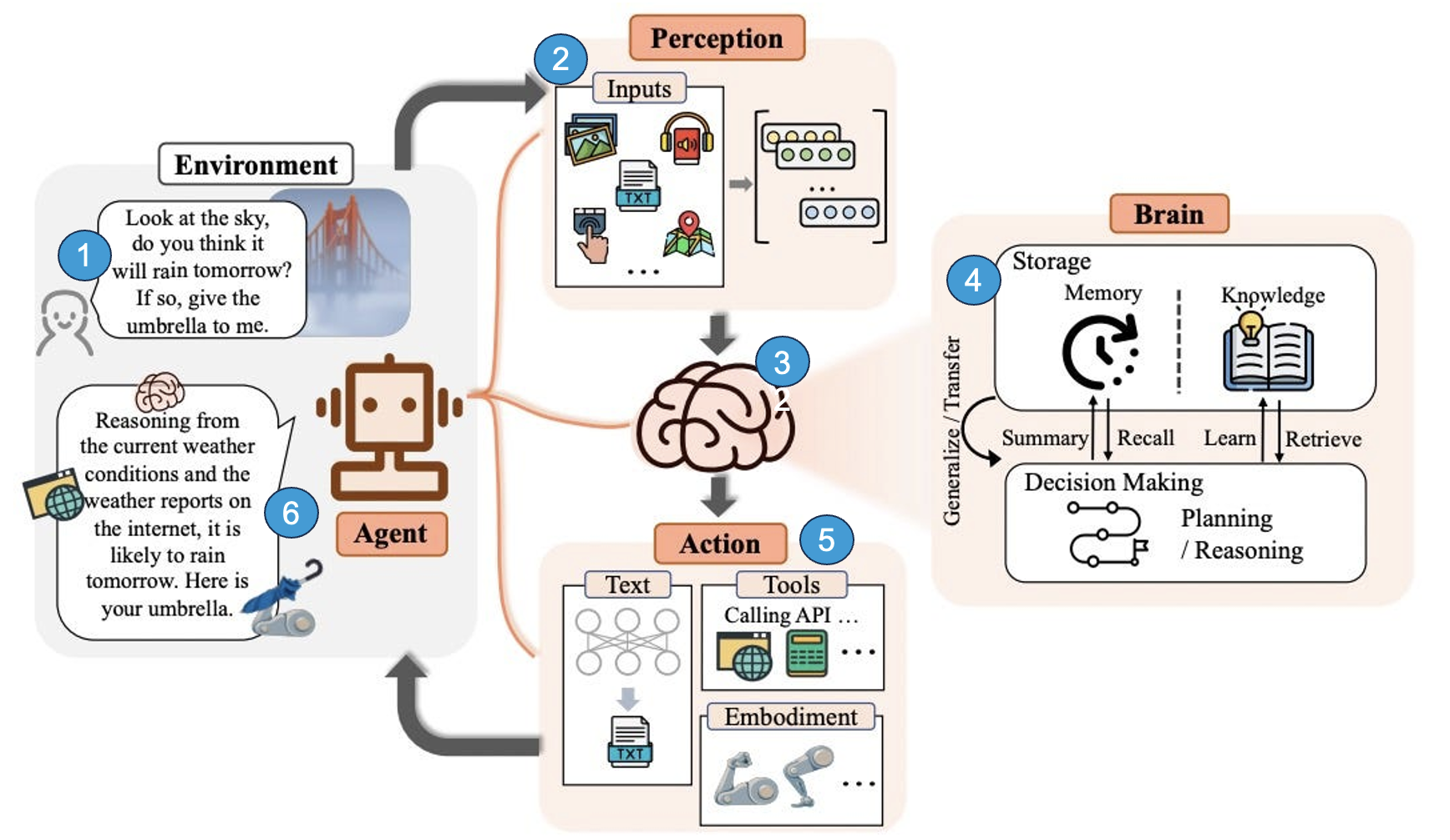
Virtual entities operating in digital environments performing tasks autonomously.
Physical Agents
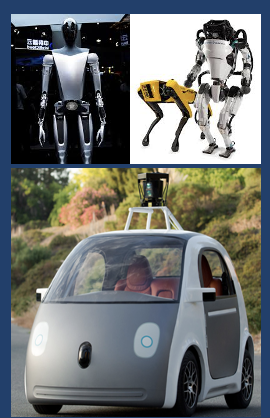
AI systems interacting with the physical world such as robots or autonomous machines.
Agents as the New Apps
Think of agents as new applications for an AI powered world.
Organizations will deploy constellations of agents working across functions.
Strategic Capabilities of Agents
- Reflection
- Tool Use
- Planning
- Multi Agent Collaboration
The Agentic AI Stack


The Agentic AI Data Stack
- Data pipelines evolving into systems for creating knowledge and understanding.
- Unified platforms integrating text, images, audio, and video.
- Semantic layers using knowledge graphs to capture relationships.
- Capturing business metrics and domain context for decision making.

Agentic Architecture Components
Knowledge Engine
Memory stores information for understanding context and making decisions.
Knowledge graphs organize relationships across data.

Agentic Architecture Components
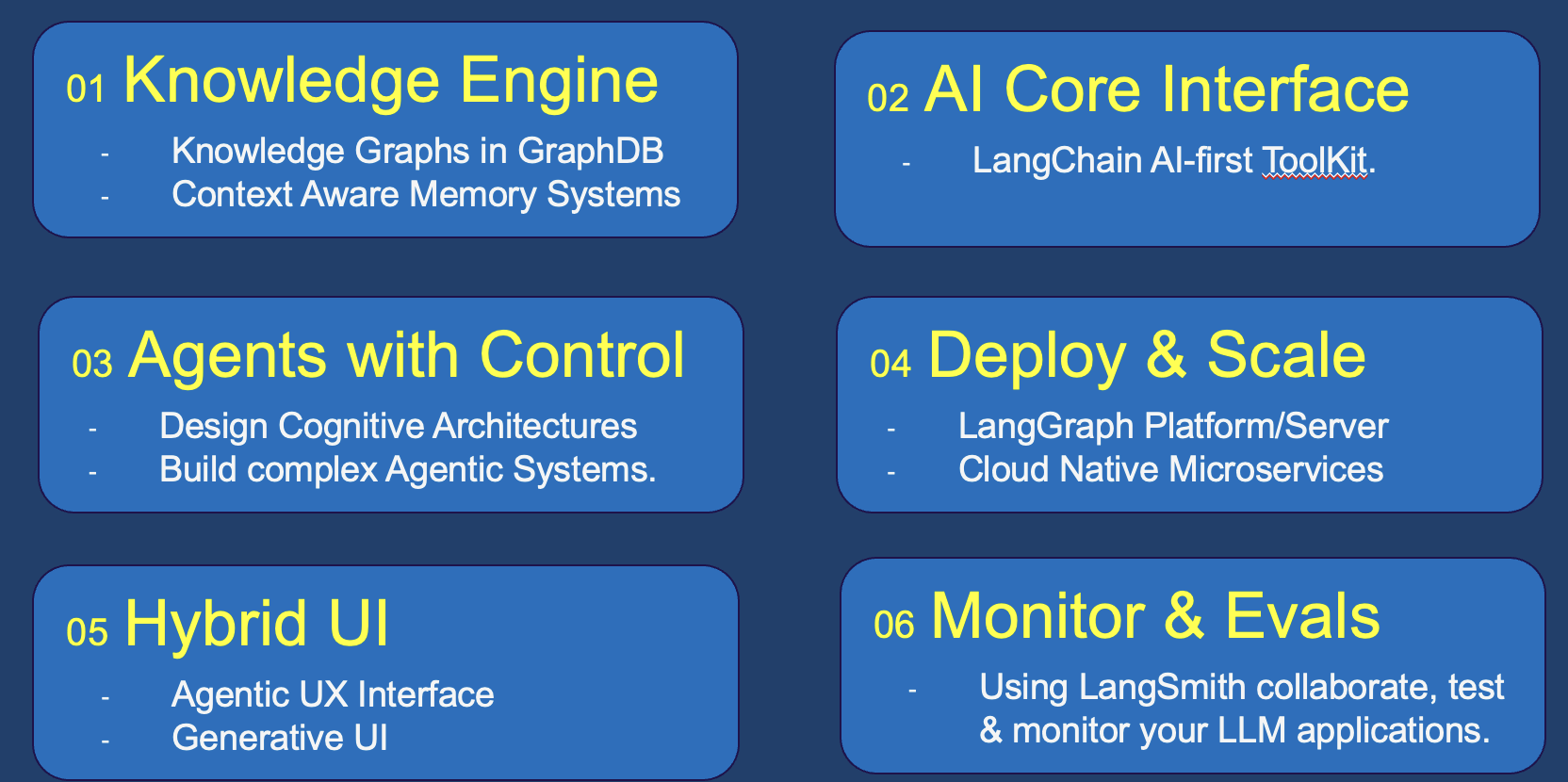
Knowledge Engine 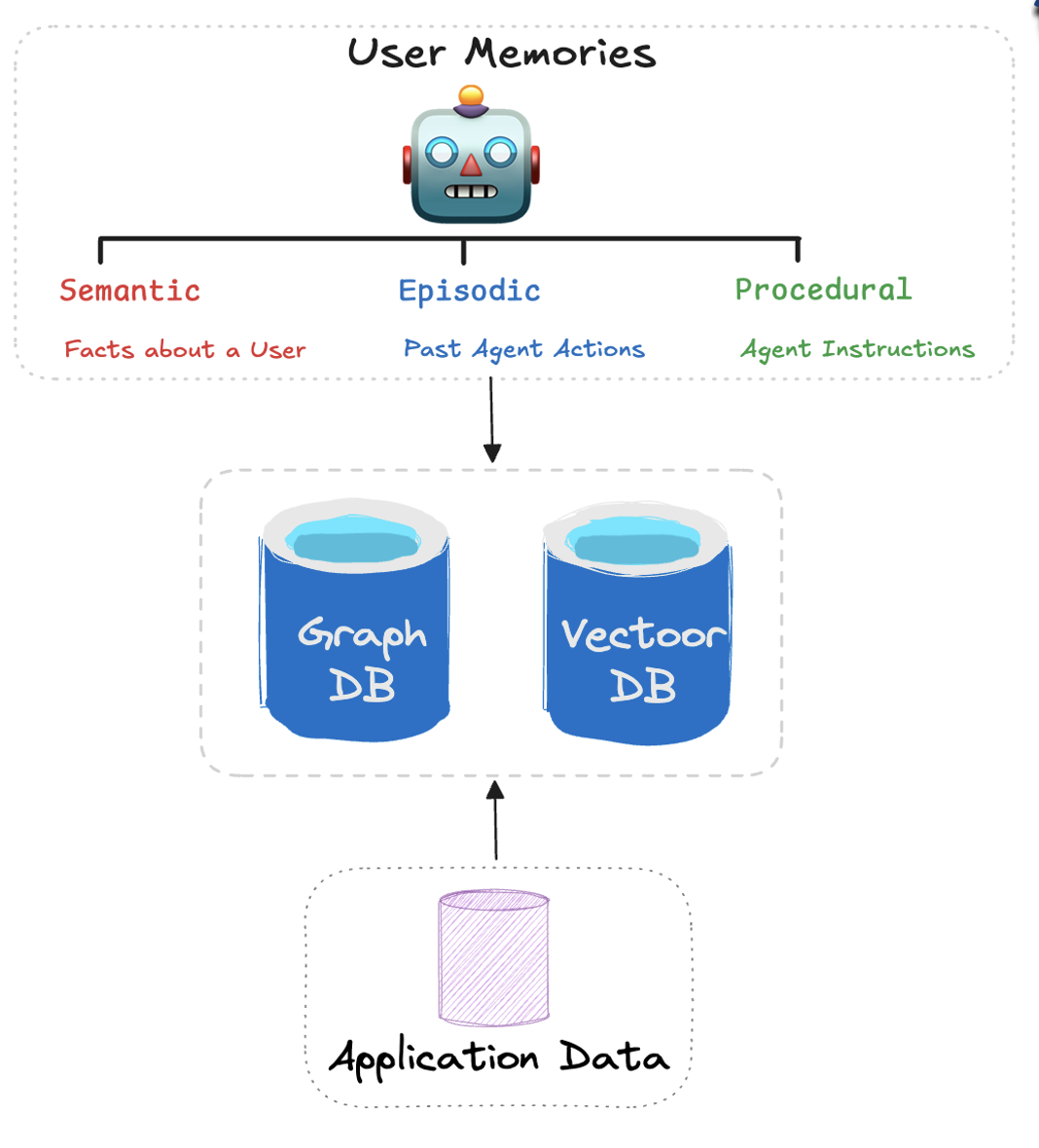
1.What is Memory?
Cognitive function for people to store, retrieve, and use info. to understand their present and future.
2.User Memories for AI Agents
To understand user needs and make decisions.
3.Knowledge Graphs:
A way to organize and connect different pieces of information, like creating a digital map of user data and application knowledge.
4.Create Knowledge Graphs for User Memories and Application Data Storage
AI Core Interface
LangChain
Modern toolkits enabling rapid development of intelligent agents.
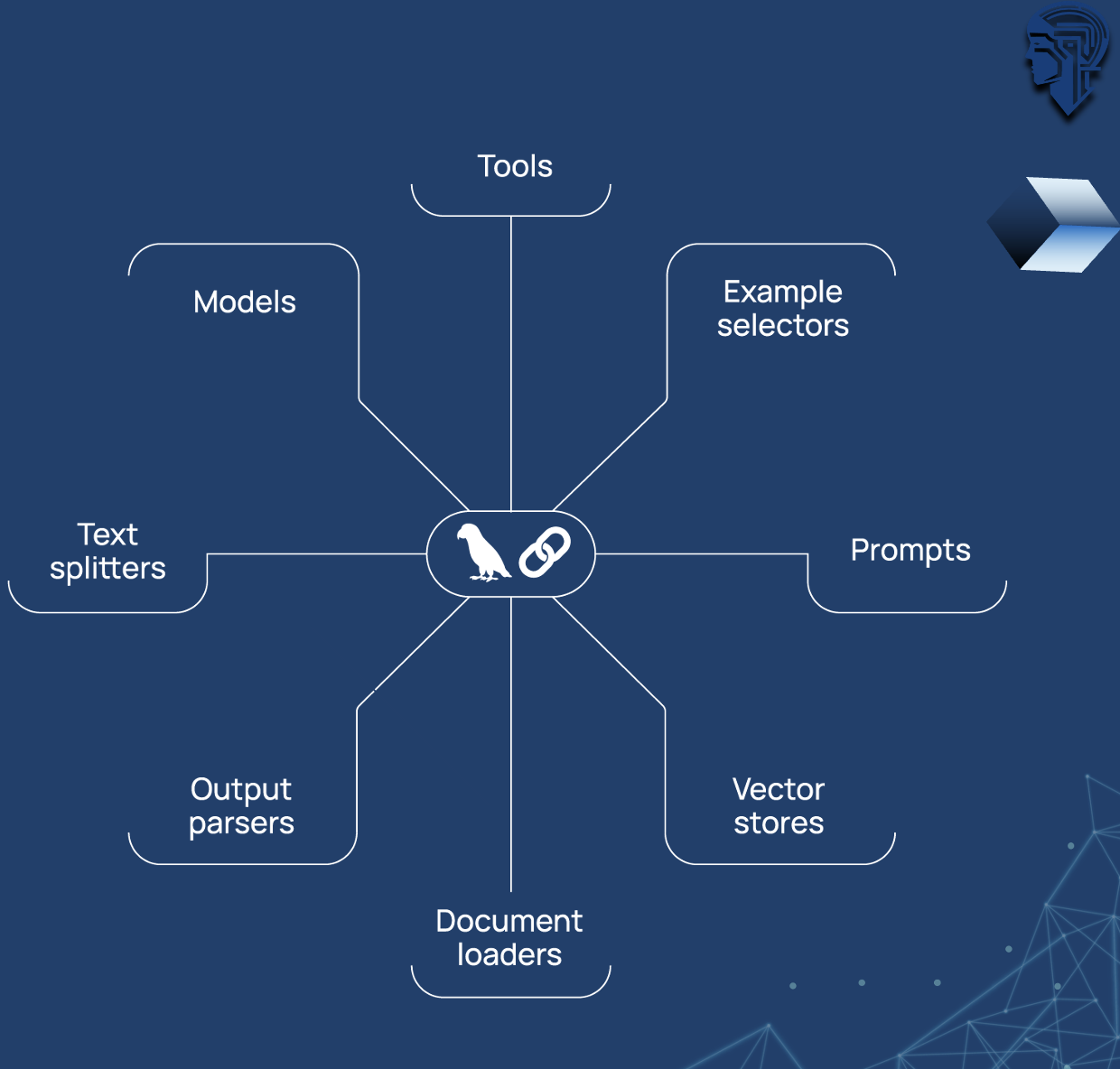
Modern Python
Enabling rapid development of AI Components and Intelligent Agents
LangGraph
- Orchestration framework for controllable agentic workflows
- Gain precision and control to build agents that reliably handle complex tasks.
- Controllable cognitive architecture for any task
- Autonomous, but well‑behaved multi agent workflows
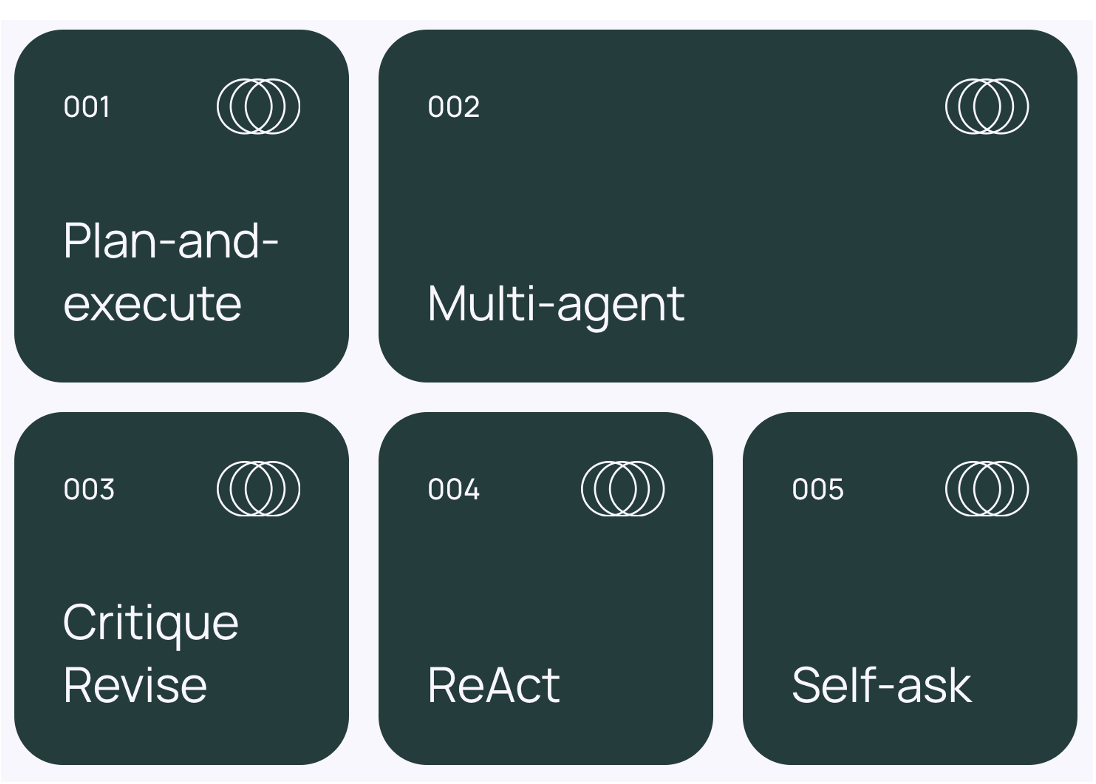
Orchestration framework enabling controllable workflows and multi agent coordination.
Deployment and Scaling
Your Agentic AI Solutions will live in Cloud
LangGraph Platform
Commercial solution for deploying agentic applications to production
- Gives scalable Agentic Infrastructure for your Agents.
- LangSmith helps to debug, test, deploy, and monitoring workflows.
Self Hosted
Option 1: Use LangGraph Self Hosted Option to use their Agentic Infrastructure
Option 2: Build your own Agentic Infrastructure and Deploy on the Cloud of your Choice.
Agentic solutions deployed in cloud environments or self hosted infrastructure.
Platforms provide debugging, testing, monitoring, and scaling capabilities.
Speed and Agility
- Build Faster : AI helps create apps super quickly. Get things done in hours, not months
- Code Smarter: AI is like a helpful coding buddy. Write code faster and better
- Think Big: Small teams can build amazing things. Turn ideas into apps quickly
- Real Example: NVIDIA AI, & Vercel hosted world's shortest hackathon (2-hour challenge)

Key Takeaways
The pace of AI development is accelerating.
Agentic AI represents a major shift toward autonomous systems.
This technology has significant implications for economies and organizations.
Understanding technical foundations is essential to stay competitive.
Thank You